
Night travel didn’t become important to me all at once. It arrived slowly, almost shyly, as if tapping on the shoulder of a younger version of me who didn’t yet understand why the world feels different after dark. I used to think the day was where everything meaningful happened — the sights, the museums, the cafés, the things you’re supposed to photograph so people believe you’re really traveling — but nighttime has a way of peeling back the polished exterior of a place. Streets exhale. Locals reclaim their routines. Travelers loosen their expectations. And every city, whether ancient or aggressively modern, becomes more honest with itself. Noctourism Guide for 2026
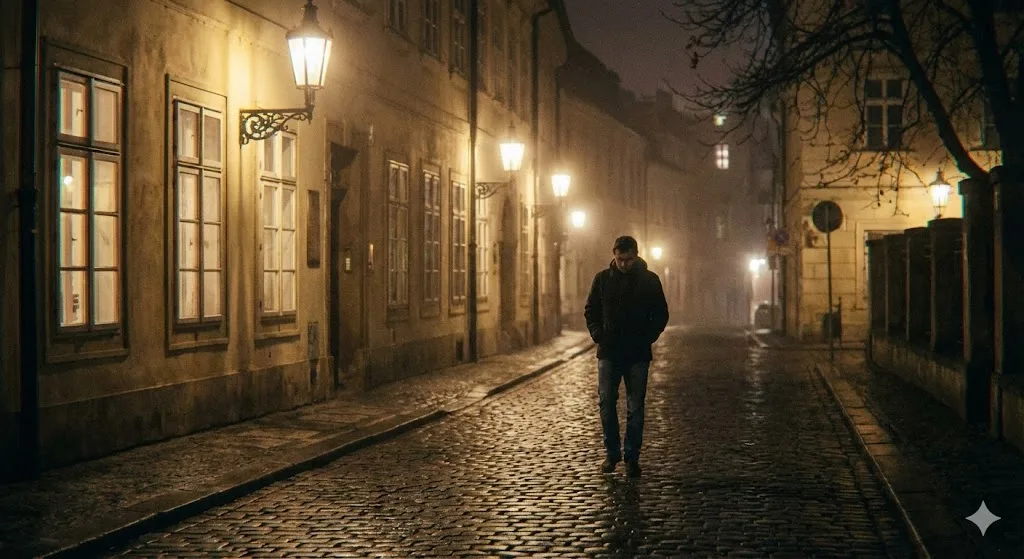
Lisbon
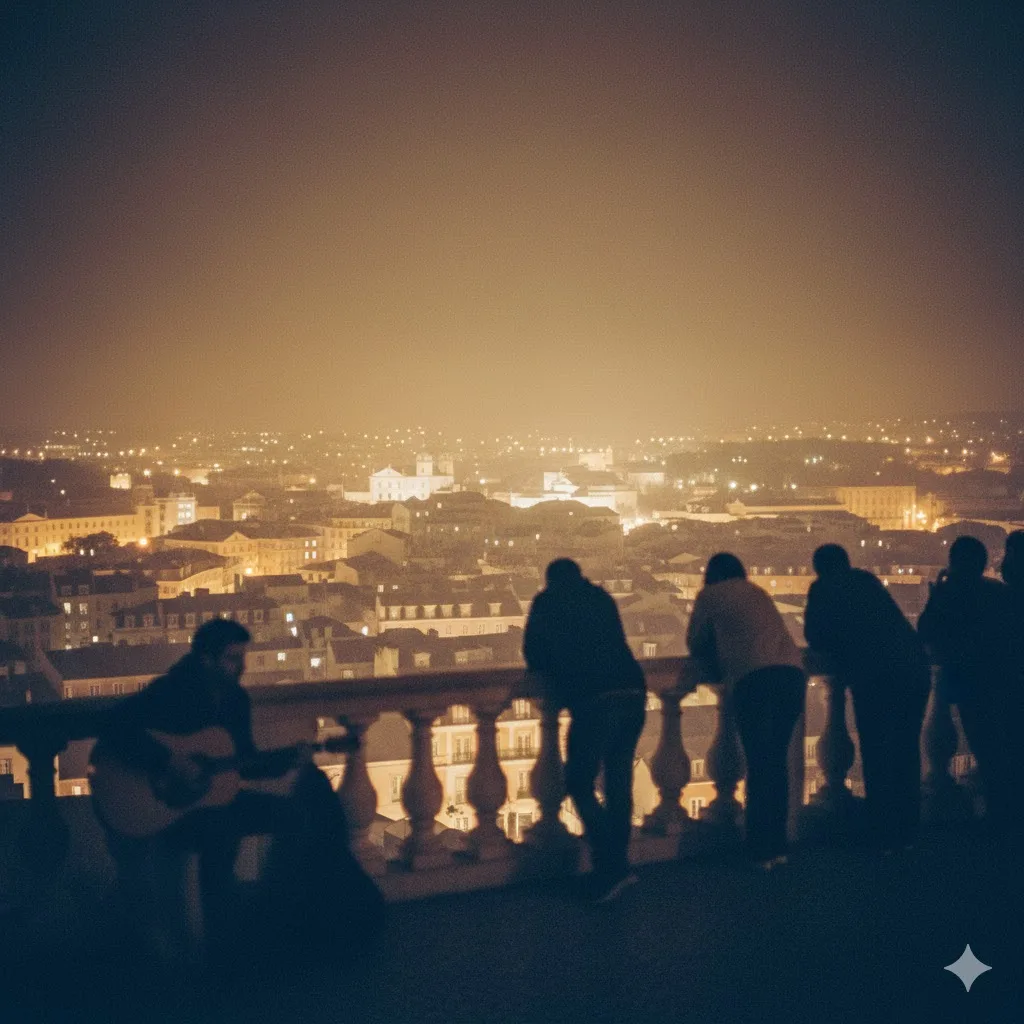
I learned this by accident, on a trip I barely remember except for one night that refuses to fade. I must have been in my early twenties, stubborn in the way people are when they think they should have everything figured out, but secretly terrified they don’t. I found myself in Lisbon, standing near Miradouro da Graça long after I should have been asleep. The city below was a quiet patchwork of yellow lights. Someone nearby was playing a guitar softly enough that it felt like a secret. A woman next to me, maybe sixty or maybe timeless, leaned toward me and whispered, “Cities are truest at night. People too.”
It was the kind of sentence that only makes sense when it floats out under warm air and a moon that isn’t trying too hard. I didn’t reply, because I didn’t know how, but that moment settled somewhere inside me and stayed. And if I trace the shape of my travels since then, I see that most of the memories I keep returning to happen after the sun steps away. Noctourism Guide for 2026
Over the years, I began to travel in pursuit of those nights. Not in a dramatic way — I wasn’t chasing epiphanies or trying to reinvent myself — but more like someone following the faint glow of something they don’t want to lose. Night became a small ritual. I’d drop my bag at wherever I was staying, walk with no specific direction, and let whatever the city offered guide me. And somewhere along the way, those nighttime wanderings turned into a collection of places and encounters that still feel alive in my mind.
Kyoto
I remember a night in Kyoto when I walked into the quiet backstreets near Gion, thinking I’d stay out for just a bit before bedtime. The lanterns cast this warm, subdued light that made every movement feel deliberate. A shopkeeper, sweeping the entrance of her tiny store with a patience I’ve never possessed, looked up and said in gentle English, “Night is when our thoughts stretch out.” I didn’t know what she meant until I kept walking and realized my thoughts were stretching, too, unspooling in long threads that connected the city’s old wooden walls to my own sense of restlessness.

Vancouver
Then there was the night in Vancouver when the sky was so clear it felt almost edited. I joined a small stargazing group — not because I planned to, but because I overheard a guide talking about constellations and curiosity pulled me in. A young couple was arguing softly about the name of a star, and the guide laughed and said, “The stars don’t care what you call them. They shine anyway.” I wrote that down in my notes app, not because I needed to remember it, but because it sounded like something I wanted to believe about myself. Noctourism Guide for 2026
Of course, not every night was poetic. Some were messy in ways that became unexpectedly meaningful. Like the night in Bangkok when a sudden storm left me stranded under a makeshift tarp beside a street vendor who kept insisting I try her mango sticky rice while lightning cracked open the sky. She told me, “Night storms clean the air. And sometimes people.” I laughed, mostly because she was handing me a plastic fork with the urgency of someone offering salvation. The rain soaked my shoes, my clothes clung to my skin, and yet it remains one of the most comforting nights I’ve ever had. There was something about standing beside a stranger who didn’t know me, didn’t need to know me, but decided to feed me anyway.
Iceland
Then there’s Iceland, which doesn’t follow the rules of night at all. I stood on a frozen patch of earth watching the northern lights spill across the sky like someone was painting in slow motion with colors the world forgot to name. A man next to me, bundled in layers that made him look like a child playing dress-up, whispered to no one in particular, “It feels like the sky is remembering something.” And maybe he was right, because the aurora felt less like a show and more like a memory — something ancient, something that existed long before us and will exist long after we’re gone.

The more I traveled, the more I realized that nighttime experiences weren’t about spectacle. They were about listening. Not with your ears, but with that quieter part of yourself that only wakes up when the world softens its voice. The Paris night markets, with their conversations drifting like perfume; the calm twilight boat ride in Amsterdam where a stranger told me his greatest regret and then shrugged as if regrets were as ordinary as bread; the late-night tea on a rooftop in Istanbul where the sound of the city layered itself into something that felt almost like music — all of it taught me that night reveals dimensions we miss during the day. Noctourism Guide for 2026
Noctourism
Noctourism, as people have started calling it, makes it sound like a trend, something packaged and marketed. But to me, it feels older than any trend. Humans have always been drawn to what the night uncovers. The shadows that reshape familiar streets. The soft light that makes even the harshest buildings look thoughtful. The way strangers become less guarded, more willing to speak gently, more willing to let the truth slip out. There’s something about the dark that makes honesty easier.
I once asked a historian in Florence why the city feels different after sunset. He didn’t hesitate. “Because the day belongs to visitors, but the night belongs to us.” That sentence stayed with me, not because it was exclusive, but because he said “us” in a way that felt open, as if anyone who chose to walk slowly under the street lamps could belong to that night, too.
And every place I visited had its own version of that belonging. Marrakech offered deep, resonant drumbeats late in the evening, each sound echoing through the narrow alleyways like a heartbeat. In Seoul, neon lights reflected off puddles in a way that made the whole city feel like a shifting dream, and a young student told me, “At night the city feels less strict.” In Mexico City, a cab driver turned down the radio and said he doesn’t play music after 10 because “the night has its own soundtrack.”
I think of these moments the same way I think of old photographs. Even if the details blur, the emotion stays sharp.
Night travel isn’t about checking off experiences. It’s about slipping quietly into the living pulse of a place and letting it move you in ways you can’t fully articulate. It’s about being willing to sit alone on a bench and let thoughts come without interruption. It’s about seeing a city through the eyes of the people who love it enough to inhabit its quieter hours.
And somewhere in all these nights, I realized something that took me years to admit. I used to travel to escape myself, but the night made me realize that parts of myself I tried to run from were simply waiting for the quiet to speak. The darkness softened my edges, made room for contradictions, showed me what I chose to carry and what I didn’t need anymore.
Which brings me back to that first night in Lisbon, the guitar playing softly, the woman whispering that cities are truest at night. I didn’t understand it then, not fully. But now, after years of chasing these dimly lit revelations across continents, I think I do. Noctourism Guide for 2026
What noctourism means to me is possibility. It is stepping into a version of the world that doesn’t demand performance. It is finding beauty in shadows and comfort in hums and warmth in the way strangers speak more gently after dark. It is the reminder that transformation rarely happens under bright lights. It is the freedom to belong everywhere and nowhere at once. It is the quiet knowledge that some of the most important things we learn about ourselves arrive when the world finally stops trying to impress us.
Last Words
And the nights we never forget are the ones that tell us we don’t have to be impressive either. Only present.
There are some other articles to pay attention:
A Weekend Getaway in Athens for Young Couples
Bologna Travel Guide: Limited Time
Discovering the Hidden Gems of Northern and Central West Chios
Travel Notes on Prague: Comprehensive Guide for Your Visit
Are You Traveling for Yourself or for the Feed?
Why We Remember Trips Wrong (and How to Savor Them Right)
10 Small Packing Habits That Make Every Trip Easier
Smart Budgeting for Travelers: How to Enjoy More by Spending Less


